
Autism, Social Masking and the Hidden Exhaustion of Fitting In
By Dr. Karanvir Singh
You can appear confident, friendly, and completely comfortable around people while quietly counting the minutes until you can be alone. For some autistic adults, social interaction requires an extraordinary amount of effort that others never see.
Alex is known as one of the most approachable people in the office. During meetings, they smile, contribute ideas, and remember to ask colleagues about their weekends. When someone makes a joke, Alex watches the others before deciding whether to laugh. They have learned to maintain eye contact for a few seconds, even when it feels uncomfortable, and rehearse possible conversations before entering the lunchroom. On Friday, the team organizes an informal gathering after work. Alex wants to maintain friendships and agrees to attend. For two hours, they follow conversations, manage background noise, and carefully monitor how they respond. Nobody notices anything unusual. When Alex finally reaches home, they turn off the lights, change into comfortable clothes, and sit silently on the bedroom floor. Their partner asks whether something happened at work. “No,” Alex replies. “Everyone was lovely.” That is what makes the exhaustion difficult to explain. Nothing went wrong, yet everything required effort.
For some autistic adults, this experience relates to social camouflaging, sometimes called masking. Camouflaging may involve consciously or unconsciously modifying behaviour to fit social expectations, concealing differences, or compensating for communication challenges. Although these strategies can help people navigate social situations, they may also demand sustained attention and emotional energy. Not every autistic person masks, and the experience varies considerably.
In a 2017 qualitative study published in the Journal of Autism and Developmental Disorders, Laura Hull and colleagues examined social camouflaging among 92 autistic adults. Participants described motivations such as fitting in and connecting with others, alongside consequences including exhaustion and challenges to their sense of self. The findings illuminate lived experiences rather than proving that masking causes burnout in every autistic person.
Appearing socially comfortable does not necessarily mean the experience feels comfortable internally. For Alex, the goal may not be to avoid people, but to identify which interactions require the greatest effort and where adjustments are possible. Choosing quieter environments, allowing recovery time, and reducing pressure to perform socially may help create more sustainable routines.
When social participation consistently leads to exhaustion, withdrawal, or distress, autism informed counselling can provide space to explore sensory needs, identity, boundaries, and individual ways of connecting. The objective is not to make someone appear more typical. It is to support a life in which meaningful relationships do not always require hiding important parts of oneself.
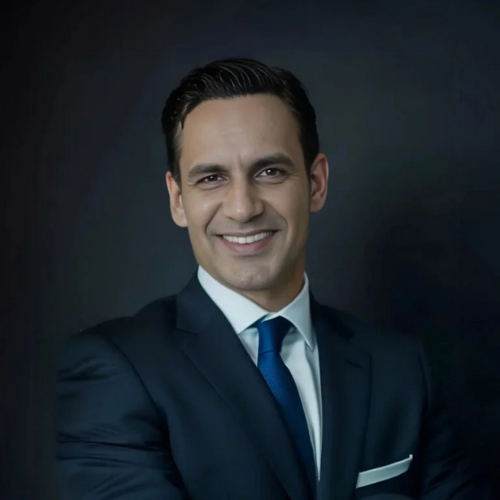
My name is Dr. Karanvir Singh. I am a psychotherapist, organizational psychologist, and researcher with over twelve years of experience supporting people through pain, uncertainty, transformation, and renewal. My work is not simply about symptoms or diagnoses; it is about people and the complexity of what it means to live, connect, and try to make sense of ourselves in an often unkind world.